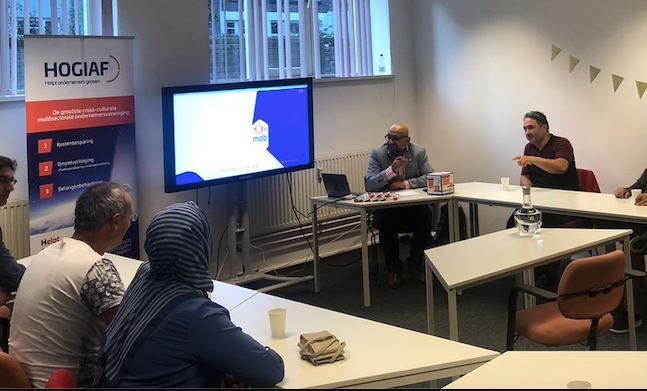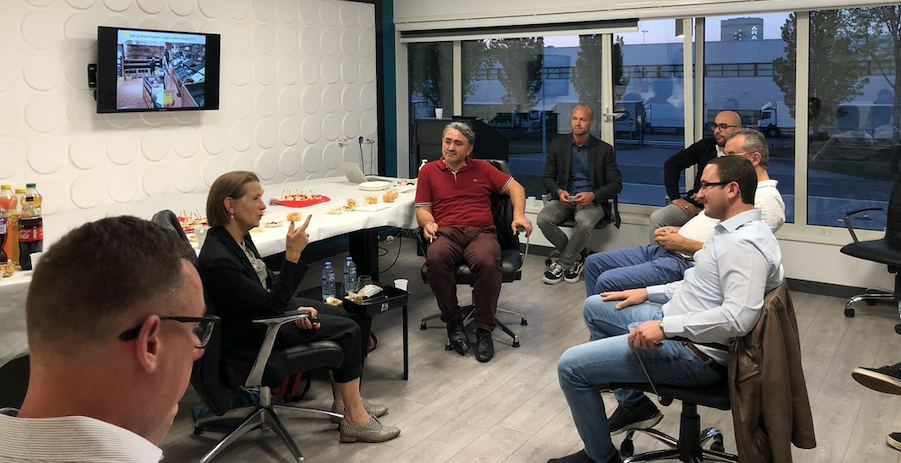
Last Tuesday, 22 September, we organised a meeting with Anneke Ammerlaan, food expert and trend analyst, as our guest. During the evening she shared her experience and knowledge of the food industry with us. To close, we were given a tour of the Bilal Chicken factory. In this article we share the highlights of the meeting.
With her passion and love for cooking and writing, Anneke Ammerlaan has managed to publish 40 cookbooks. Among other things, she was there at the very start of Allerhande, the cooking magazine of Albert Heijn, and has written for the in-house magazine of C1000. Her choice of this sector stems from the fact that the food sector is constantly in motion and new trends keep emerging.
She began her presentation on how instincts influence our eating habits. At the start of the coronavirus crisis we saw how people behave. Many started stockpiling, because they were afraid there would soon be no food left in the supermarkets. Besides our instincts, our age also influences our eating patterns.
Differences between generations Millennials (1981-1994) and Generation Z (1994-2009) live in different circumstances from the baby boomers. They grew up in a multicultural society and with the presence of the internet, which makes them more open to trying things out compared with the baby boomers.
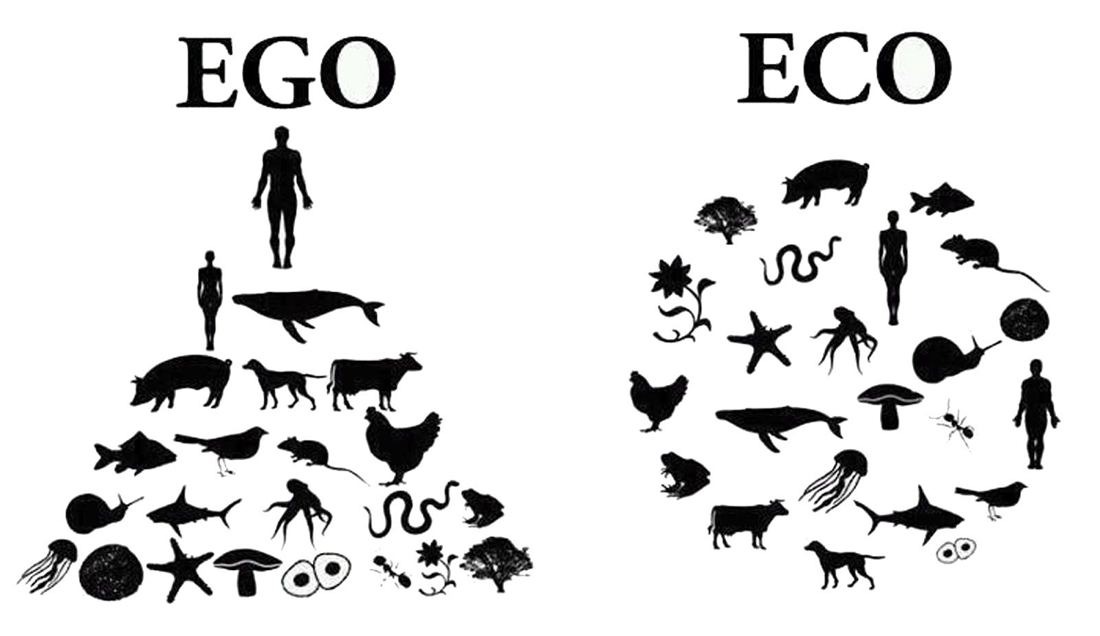 “From ego-system to ecosystem”
The new generation also strives to ‘save’ the world that their forebears have destroyed by overburdening the ecosystem. The new generation cares more about the world, which makes them more rebellious and more committed to the environment. They strive for humans to no longer be the head of the ecosystem, but a part of the ecosystem as a whole. They think more inclusively than earlier generations.
What does the future of the food industry look like? More and more people are seeking sustainable products that are traceable. People are paying more and more attention to what they eat, so change is slowly getting under way. Meat substitutes, for example, will gain more and more ground. Companies will have to be able to respond to this, in order to meet demand and not fall behind their competitors.
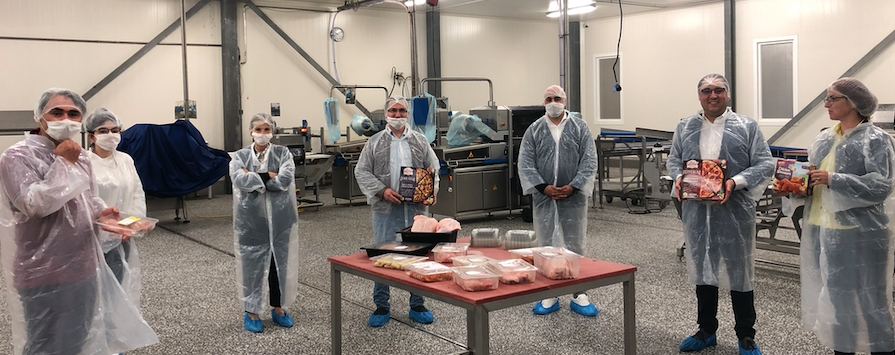
After Anneke Ammerlaan's presentation, we were given a tour of the Bilal Chicken factory, where the meeting took place. During this tour we saw which processes take place in the Bilal Chicken factory.
We would like to thank Anneke Ammerlaan for the informative evening and Bilal Caki for his hospitality and the tour of his company.
About us
The largest cross-cultural and multisectoral business association in the Netherlands.